Photography Throughout History
- 2008312
- Oct 7, 2020
- 3 min read
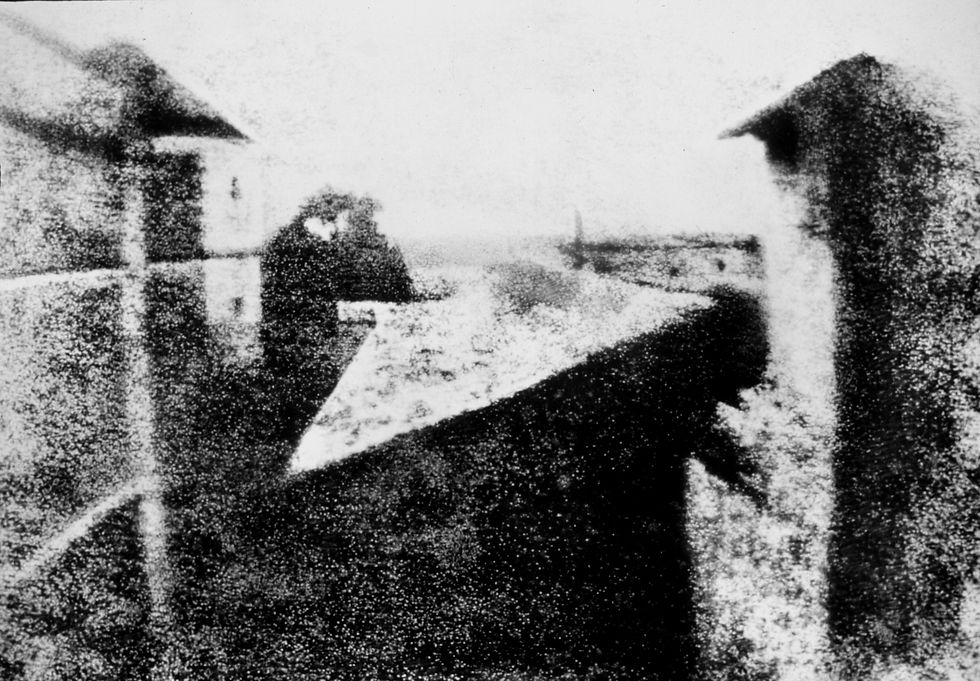
Title: View from the Window at Le Gras
Photographer: Nicéphore Niépce
Date: 1827
Reason I chose the photo: This is the oldest surviving photo and gives us an idea of the quality of early cameras. We cannot really see anything in the photo or where the photo was taken which suggests that the photo was just a demonstration of what could be possible with

Title:Still life in studio
Photographer: Louis Daguerre
Date: 1837
Reason I chose the photo: Although this is using the same method as the previous photo, the purpose of the photo has now become art rather than innovation. I found this photo interesting as unlike lots of photos from this time period, the photo is being treated like a painting which highlights how people of that era believed photography would just have the same purposes as paintings.

Title: Portrait of Louis Daguerre
Photographer: Jean-Baptiste Sabatier-Blot.
Date: 1844
Reason I chose the photo: This photo is using the Daguerreotype method of taking photographs which, already are much clearer than the first photos taken however, we can still see the photo is clearly stage, demonstrating the sensitivity of old cameras.

Title: N/A
Photographer: Roger Fenton
Date: 1854
Reason I chose the photo: Roger Fenton's work was one of the first times photography was used for documentation of a key historical event and i felt this photo was particularly interesting as it allows us to see the individual soldiers which is a lot more personal than lots of war photography.

Title: N/A
Photographer: Charleton E Watkins
Date: 1873-88
Reason I chose the photo: Charlton Watkins was one of the earliest American landscape photographer and I found this photo particularly amazing as it the landscape chosen is stunning and the motion of the waterfall that is captured is surprising to see on such an old camera.

Title: N/A
Photographer: N/A
Date: 1900
Reason I chose the photo: This photo was taken on a Kodak box brownie, the first mass distributed camera, and so this was she first time photography was available to the public and i chose this photo in particular as you can see the photo is not staged and it feels very natural.
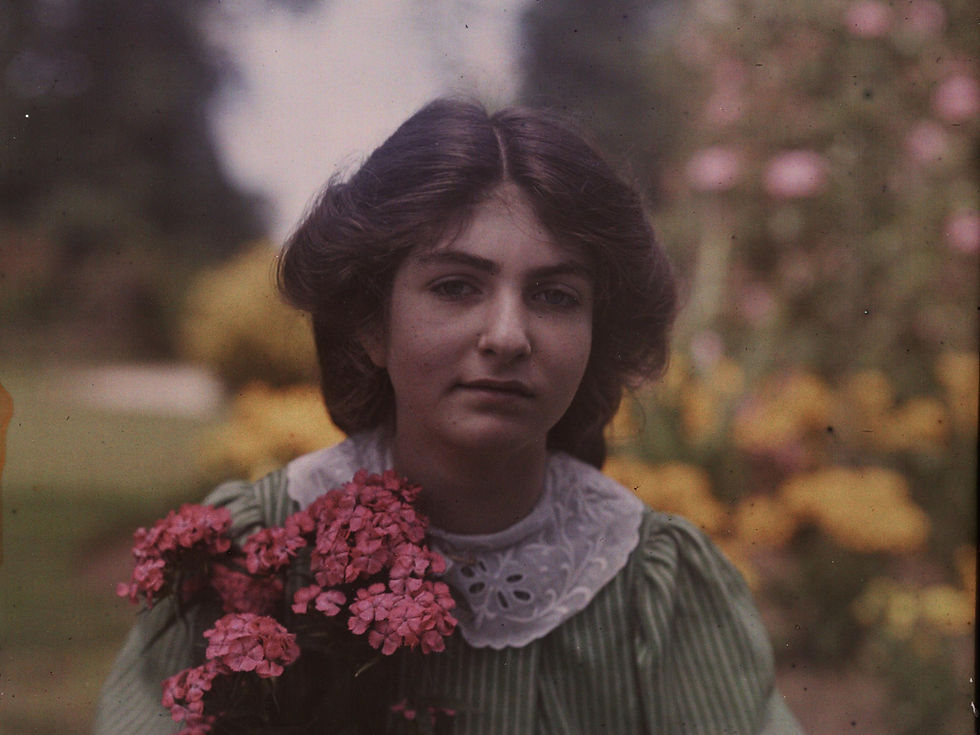
Title: Autochrome
Photographer: Etheldreda Janet Laing
Date: 1908
Reason I chose the photo: Although colour photos had been around 1861, the invention of autochrome was the first time colour in photography as we know it now had been displayed. I chose this photo in particular as even though they had only just developed the use of colour in photography, the use of contrasting colours really makes the image stand out, especially considering the era as nothing like this would have ever been seen before.

Title: Mushroom Cloud Over Nagasaki
Photographer: Charles Levy
Date: 1945
Reason I chose the photo: There were two reasons I chose this photo, the first being that despite the fact it was taken after the invention of autochrome photography, the photo is still in black and white which implies the fact that this type of colour film was still expensive and not mass produced, which we know to be true. The other reasons because of how influential this photo is and what it implies about humanity as a whole as this level of mass destruction had never been witnessed in human history, let alone recorded and documented in hundreds of articles and newspapers.
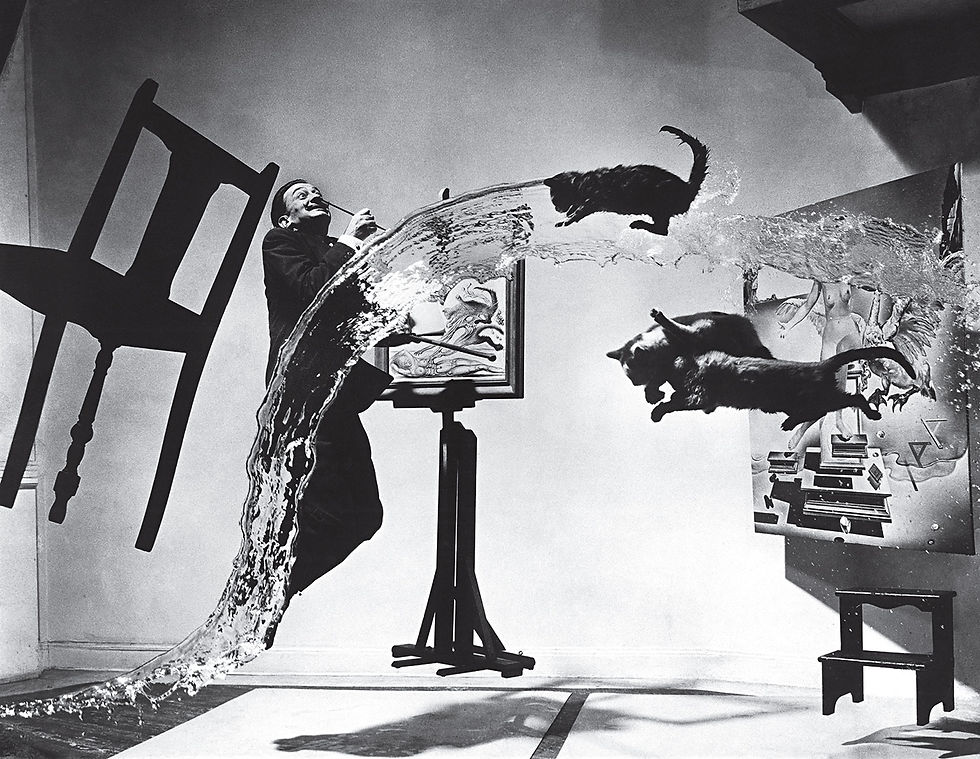
Title: Dali Atomicus
Photographer: Philippe Halsman
Date: 1948
Reason I chose the photo: This was the final photo I chose and I think its probably my favourite as it really displays the flexibility of photography which is still applicable in the 21st century, albeit in a vastly different way.
Photography is probably one of the most important Inventions in human history. It has allowed us to document our past for hundreds of years and probably will continue to do so for hundreds mores. Whilst its original invention was used record key moments in history and people's lives, it has become so much more than that, allowing people to see things that they may have never got the chance to experience in person and while it does not have it's cons, like its impact on our idea of appearance and normality, I believe it is, and will remain, a key element of our society and history, not just in terms of documentation but in the arts and in our society as whole


Comments